When Change Exposes the Myth of “QA Will Catch It”
 by: Paul DavidsonPublished on: 30/01/2026
Periods of change have a way of revealing uncomfortable truths about how quality really works day to day. When roles shift or people move on, assumptions that once felt safe are suddenly tested. In this article, we reflect on a recent transition and a question many QA professionals quietly ask themselves when stepping away from a role: will the system hold, or have I unknowingly been propping it up? Drawing on lived experience from within the Headway team, we explore how responsibility for quality can gradually drift towards QA, or even towards one individual, without anyone consciously deciding that this should happen. We look at the early signs this drift is underway, why it matters even when no change is planned, and how moments of transition can be used to reset ownership rather than scramble to contain risk after the fact. If you have ever felt like the person who notices, fixes, or absorbs more than their share “because someone has to”, this piece is likely to feel familiar.

What We’re Reading: The Four Building Blocks of Change
by: Paul DavidsonPublished on: 30/01/2026This month we highlight a freely available article, The Four Building Blocks of Change, which explores why organisational change so often fails and what consistently helps it succeed. Drawing on research and real-world examples, the authors describe four elements that shape behaviour during change: clarity of purpose, supportive systems and processes, capability development, and visible role modelling. While not written specifically for regulated environments, the ideas will feel familiar to QA professionals navigating new audit cycles, team transitions, or shifting priorities. It offers a useful lens for understanding why change sometimes stalls, and how it can be used to strengthen quality rather than quietly undermine it.

The Study Director’s Signature: What Does Acceptance Really Mean?
 by: Frankie DrakePublished on: 29/10/2025
A Study Director’s signature might look routine, but it’s one of the most significant acts in GLP. This month, we explore what that signature really means - not just for compliance, but for scientific integrity. Drawing from recent client experience, we reflect on how pausing before signing can strengthen both study credibility and culture, and how leadership can empower that thoughtful pause.

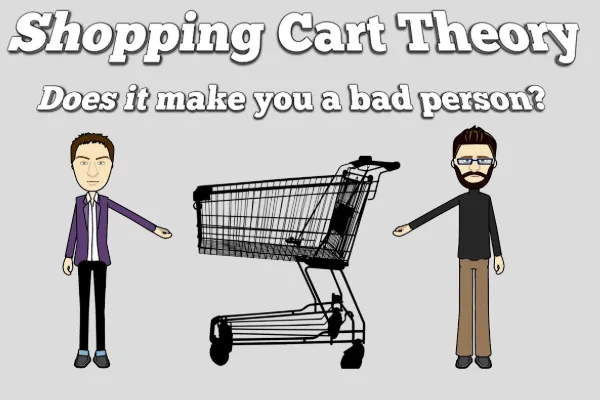
Curated: Who Leaves the Trolley? What a Viral Meme Teaches Pharma R&D About Quality, Culture, and Ethics
by: Paul DavidsonPublished on: 23/08/2025A viral video once claimed you can judge character by whether someone returns a shopping trolley. It struck me as a perfect metaphor for pharma: quality is what you do when nobody is looking. Compliance sets the legal baseline; quality is the choice to do things right, first time, because patients rely on us. Yet industry habits often resemble the “job creation” logic of the trolley video - leave errors for QC or QA to tidy up later. That mindset doesn’t create value; it shifts cost to the most expensive form of quality work: rework, delay, and failure. Culture magnifies this. Even talented hires can slide into “good enough” when local norms drift. The trolley becomes a test of everyday ethics: complete records honestly, follow protocols, report inconvenient truths. So the real question is: in your organisation, who’s returning the trolley - and what are you doing to make it the easy, obvious choice?